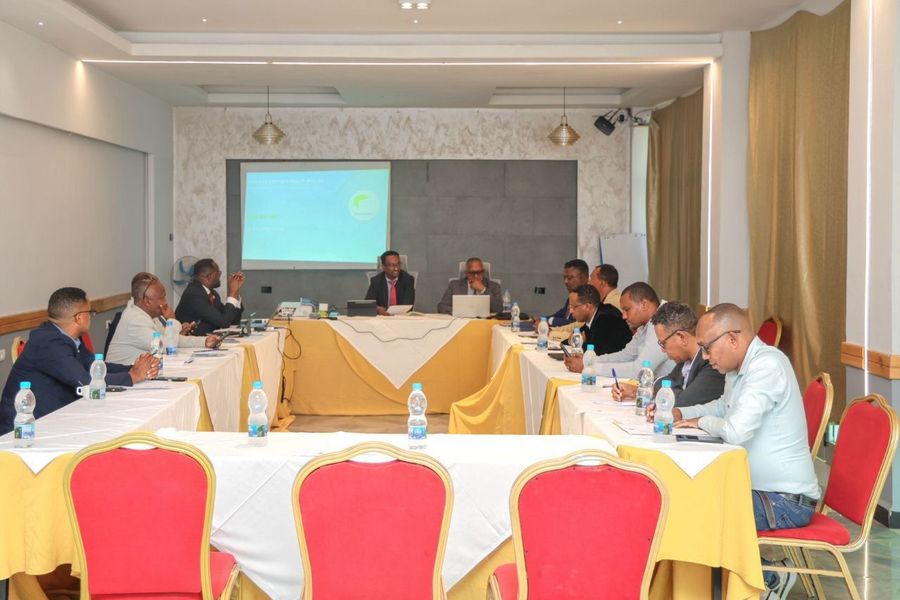
?????? ????? ??? ????? ??? ?? ??? ??? ????? ??? ??? ???? ?????? ????? ????? ????? ?? ???� ????? ????? ????� ?????? ?? ??? ??? ???? ?? ?? ??????\n???????? ????? ???? ?? ???� ????? ???? ????? ????? ?????? ???? ???? ? ?-???? ?? ?????? ??? ???? ????? ? ?????????� ?? ????? ????? ???? ????? ????? ???? ????? ?????? ????? ???? ????? ??? ?? ???? ????? ????? ???? ????? ??????? ?? ??????? ???? ?????? ???? ???? ????? ?? ????? ???? ??? ?? ???????\n???? ??? ????? ?? ? ????� ?? ??? ???? ????� ????? ??? ????? ??? ??? ?????? ????? ????\n????? ????? ????? ????? ????? ??? ???? ???? ?????? ???? ??????? ???? ????? ???? ???\n???? ???? ??\n?????? ????? ??? ????? ??? ?? ?? ????\n\nThe Ethiopian Chamber of Commerce and Sectoral Associations believes that in order to enhance the participation of the private sector in the economy, it is essential to ensure meaningful economic inclusion of women, youth, and persons with disabilities.\nAs is well recognized, most businesses owned or led by women, youth, and persons with disabilities face multiple constraints beyond financial limitations.\nMany of these enterprises operate informally and at a micro or small scale, often with insufficient and limited capital. In addition, they tend to rely heavily on experience-based operations, with notable gaps in knowledge and technical skills.\nCombined with various social and family-related pressures, these challenges significantly affect their productivity and efficiency. As a result, compared to other businesses, their performance in terms of income generation and profitability remains relatively low.\nOn the other hand, limited access to working spaces, markets, and other related services further constrains their potential, preventing their economic capacity from being fully realized.\nTherefore, addressing these barriers and enabling their active participation in the economy requires collective effort and collaboration from all stakeholders.
???? ??? ???? ????? ????? ??? ?????? ???? ???? ?7?? ??? ??? ?????? ?? ????? ??? ?????? ???????